
If your energy dips mid-afternoon, these juices are built to lift it without the caffeine crash. Beetroot, carrot, parsnip, banana, dates, ginger, stone fruit, passion fruit and winter citrus like blood orange bring natural nitrates, potassium and fruit sugars, and the coconut water glass adds the sodium and potassium that make it a proper rehydration drink, giving you a cleaner lift than a second coffee.
All our energy juices
The Heart Beet Elixir
An earthy beetroot juice with apple, carrot and ginger, built around the nitrates that support healthy blood flow.
Check out this recipe
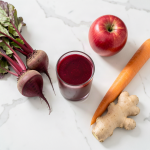
Beetroot Celery Ginger and Orange Juice
A zingy beet and citrus juice that pairs the earthiness of beetroot with fresh ginger and orange.
Check out this recipe
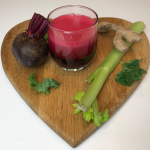
Green Energy Juice
A clean green juice that lifts you up without the caffeine crash.
Check out this recipe
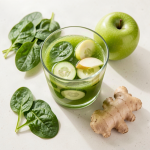
Carrot Apple Ginger Juice
Sweet carrots and apple with a warming ginger kick for steady, natural energy.
Check out this recipe
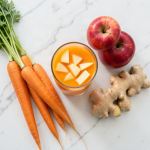
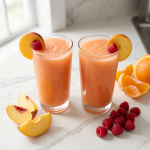
Peach Raspberry Orange Juice
A sweet, gently sharp juice that pairs ripe peaches with raspberries and a good squeeze of orange. Natural sugars and potassium for a steady lift without the caffeine.
Check out this recipe
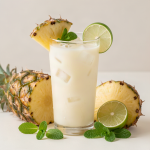
Pineapple Coconut Lime Juice
A light, naturally sweet juice built around coconut water, so you get proper hydration with your fruit. Pineapple carries the flavour, lime sharpens it, and it drinks better than any sports bottle I've tried.
Check out this recipe
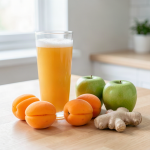
Apricot, Apple and Ginger Juice
Apricots are one of those fruits most people only ever meet dried, which is a shame. Fresh ones press into a thick, golden glass that tastes properly fruity, with the apple adding crispness and the ginger a slow warmth at the back of the throat. This is the juice I make when the mid-afternoon slump lands and I want something with a bit of body that is not another coffee.
Check out this recipe
Beetroot and Pomegranate Juice
Beetroot carries this juice and pomegranate keeps it drinkable. Deep ruby, earthy at the front, sharp at the finish, and a good one to have an hour before you go out. Two glasses, ten minutes.
Check out this recipe

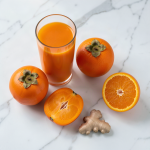
Persimmon and Orange Juice
Persimmons turn up in the shops from late September and they are the one autumn fruit I will happily pay silly money for. They are sweet enough on their own, so there is nothing to add here beyond orange for a bit of sharpness, ginger for warmth and a squeeze of lemon. The important thing is waiting until they are properly soft. A firm persimmon tastes of not very much, and an unripe Hachiya will dry your mouth out for an hour. Three persimmons and two oranges give you three small glasses in about ten minutes, and there is nothing to cook.
Check out this recipe
Beetroot and Orange Juice
Beetroot and orange is the pair I reach for when I need to get through a long afternoon. The beetroot gives it that deep red colour and an earthy sweetness, the oranges lift it into something you actually want to drink. Two ingredients, about five minutes, and you do not need an expensive juicer to make it.
Check out this recipe

Sweet Potato, Apple and Ginger Juice
Sweet potato in a juice sounds unlikely until you try it. It comes out sweet and gently earthy, and the apple and ginger keep it from tasting like a root vegetable. This is the glass I make on mornings when I need something that actually holds me until lunch.
Check out this recipe
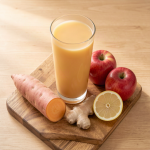
Nectarine, Orange and Ginger Juice
Nectarines are the fruit I buy when the peaches look tired. They juice into something soft and sweet with almost none of the bitterness you get from green fruit, and the orange keeps it from tasting flat. The ginger is a small piece on purpose, because nectarine and ginger fight each other if you push it. Two glasses, about ten minutes, and it tastes like a ripe stone fruit in a glass rather than a health drink.
Check out this recipe

Parsnip, Apple and Ginger Juice
I only ever roasted parsnips until I wondered what they would do in the juicer, and it turns out they make one of the sweetest glasses on the site. Parsnips are a starchy root and after the first frosts that starch turns to sugar, so a winter parsnip tastes like a completely different vegetable to a summer one. That sweetness means this needs nothing added, no honey and no syrup, just two apples, a thumb of ginger for warmth and a lemon to stop it sliding into pudding. It pours a pale gold and it is far lighter than you would guess from a root vegetable.
Check out this recipe
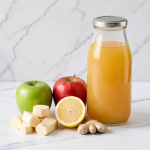
Banana Juice for Energy: Orange and Ginger
The one drink here that cannot be made in a juicer, because a banana turns to puree instead of juice. Two ripe bananas whizzed into fresh orange juice with a little ginger and lemon give a thick, cloudy apricot-coloured glass that keeps its fibre and lands around 730 mg of potassium, which is the honest reason it works before a long walk.
Check out this recipe

Passion Fruit Juice for Energy: Orange and Apple
Passion fruit is the one fruit that tastes like it belongs in a cocktail but still works in a juice. Scoop out the pulp, sieve the hard black seeds away, then press it into fresh orange and apple juice and you get a bright golden glass carrying around 565 mg of potassium, a gram of iron and the vitamin C that helps you absorb it. It is the sharp, fragrant end of the energy list rather than the sweet one.
Check out this recipe
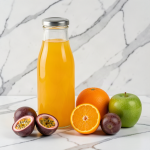
Coconut Water, Orange, Apple and Ginger Juice
Coconut water is the one drink in the juicing world with proper rehydration research behind it, so this glass leads with it and lets the orange, apple and ginger do the flavouring. It comes out clear and golden, with about 875 mg of potassium and 210 mg of sodium a glass, which is why it earns its place around a walk or a session at the gym. It is thin and genuinely drinkable rather than syrupy, and it is worth reading the label on the carton before you start.
Check out this recipe

Blood Orange, Carrot and Ginger Juice
Blood oranges are only properly in the shops for about eight weeks, and they are the one winter fruit I will pay over the odds for. The flesh is a deep ruby red, sweeter and less sharp than a normal orange, so it does not need anything added beyond carrot for body and a knob of ginger to stop the whole glass tasting like a dessert. Three oranges and two carrots give you two decent glasses in ten minutes. Peel the oranges properly, pith and all, or the juice turns bitter.
Check out this recipe
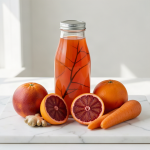
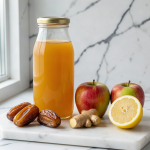
Date, Apple and Ginger Juice
Dates are the one fruit that makes a juice taste sweet without adding sugar, and they bring a caramel note that sits well with apple and ginger. This is a thick, golden glass rather than a thin green one, and it is built for the point in the day when you actually need the calories.
Check out this recipe
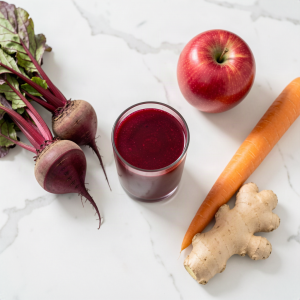
The Heart Beet Elixir
An earthy beetroot juice with apple, carrot and ginger, built around the nitrates that support healthy blood flow.
Equipment
- 1 Juicer or blender and sieve
- 1 Budget cold press juicer a great value alternative
- 1 Budget blender a great value alternative
Ingredients
- 1 beetroot scrubbed
- 2 apples cored
- 2 carrots scrubbed
- 1 inch ginger peeled
- 1/2 lemon peeled
- 1 orange peeled
Instructions
Juicer method
- Scrub the beetroot and carrots, core the apples, peel the citrus and ginger.
- Juice the beetroot and carrots first, then the apple, orange, lemon and ginger.
- Stir well and serve. The colour settles, so give it a swirl before pouring.
Blender method
- Chop everything and blend with a little water until smooth.
- Strain through a fine sieve, pressing to get all the juice out.
- Serve over ice.
Notes
Beetroot is naturally high in nitrates, which your body converts to nitric oxide to help relax blood vessels and support healthy blood flow. Drink it fresh for the biggest benefit. Nutrition is an estimate per glass.
Nutrition
Serving: 1glassCalories: 160kcalCarbohydrates: 40gProtein: 3gFat: 1gSodium: 150mgPotassium: 800mgFiber: 8gSugar: 28gVitamin A: 3000IUVitamin C: 90mg
Tried this recipe?Let us know how it was!
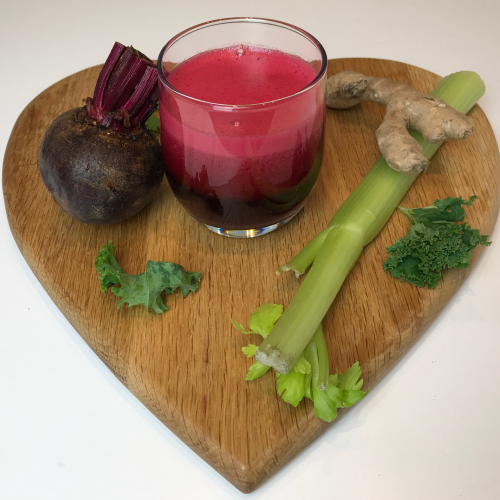
Beetroot Celery Ginger and Orange Juice
A zingy beet and citrus juice that pairs the earthiness of beetroot with fresh ginger and orange.
Equipment
- 1 Juicer or blender and sieve
- 1 Budget cold press juicer a great value alternative
- 1 Budget blender a great value alternative
Ingredients
- 1 beetroot scrubbed
- 3 stalks celery
- 1 inch ginger peeled
- 2 oranges peeled
- 1 apple cored
Instructions
Juicer method
- Scrub the beetroot, core the apple and peel the oranges and ginger.
- Juice the beetroot, celery and ginger first, then the orange and apple.
- Stir and serve immediately.
Blender method
- Chop everything and blend with a splash of water.
- Strain through a fine sieve and serve chilled.
Notes
The orange does the heavy lifting on flavour here, which makes this the easiest way to introduce beetroot if you're not sure about it yet. Nutrition is an estimate per glass.
Nutrition
Serving: 1glassCalories: 150kcalCarbohydrates: 38gProtein: 3gFat: 1gSodium: 160mgPotassium: 800mgFiber: 7gSugar: 27gVitamin A: 2000IUVitamin C: 120mg
Tried this recipe?Let us know how it was!
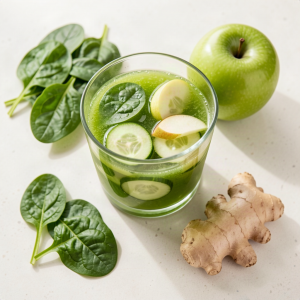
Green Energy Juice
A clean green juice that lifts you up without the caffeine crash.
Equipment
- 1 Juicer or blender and nut milk bag
- 1 Budget cold press juicer a great value alternative
- 1 Budget blender a great value alternative
Ingredients
- 2 cups spinach
- 1 cucumber
- 1 apple cored
- 1 inch ginger peeled
- 1/2 lemon peeled
Instructions
Juicer method
- Wash the spinach and cucumber, core the apple.
- Juice the spinach, cucumber and ginger first, then the apple and lemon.
- Stir and drink first thing in the morning.
Blender method
- Blend everything with a little water until smooth.
- Strain through a nut milk bag and serve.
Notes
Spinach gives you a gentle lift from iron and B vitamins, and the natural sugars from the apple release slowly enough that you skip the mid-morning crash. Nutrition is an estimate per glass.
Nutrition
Serving: 1glassCalories: 90kcalCarbohydrates: 22gProtein: 3gSodium: 80mgPotassium: 600mgFiber: 5gSugar: 14gVitamin A: 5000IUVitamin C: 45mg
Tried this recipe?Let us know how it was!
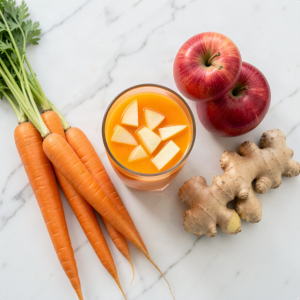
Carrot Apple Ginger Juice
Sweet carrots and apple with a warming ginger kick for steady, natural energy.
Equipment
- 1 Juicer or blender and sieve
- 1 Budget cold press juicer a great value alternative
- 1 Budget blender a great value alternative
Ingredients
- 3 carrots scrubbed
- 2 apples cored
- 1 inch ginger peeled
- 1/2 lemon peeled
Instructions
Juicer method
- Scrub the carrots, core the apples and peel the ginger and lemon.
- Juice the carrots and ginger first, then the apples and lemon.
- Stir and serve immediately.
Blender method
- Chop everything and blend with a little water.
- Strain through a fine sieve and serve.
Notes
The ginger is what makes this feel like an energy drink, warming you up from the inside while the carrot and apple keep your blood sugar steady. Nutrition is an estimate per glass.
Nutrition
Serving: 1glassCalories: 140kcalCarbohydrates: 35gProtein: 2gSodium: 90mgPotassium: 700mgFiber: 7gSugar: 24gVitamin A: 11000IUVitamin C: 30mg
Tried this recipe?Let us know how it was!
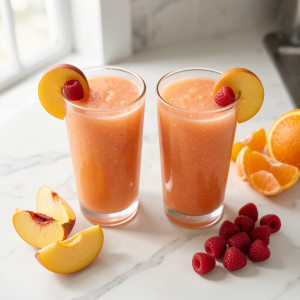
Peach Raspberry Orange Juice
A sweet, gently sharp juice that pairs ripe peaches with raspberries and a good squeeze of orange. Natural sugars and potassium for a steady lift without the caffeine.
Equipment
- 1 Juicer masticating or centrifugal
- 1 High-speed blender for the blender method
- 1 Nut milk bag or fine-mesh sieve to strain the blender version
- 2 Airtight glass bottles for storing
- 1 Budget cold press juicer a great value alternative
- 1 Budget blender a great value alternative
Ingredients
Juice
- 2 medium peaches, halved and stoned
- 150 g fresh raspberries frozen works out of season
- 1 large orange, peeled and quartered
Instructions
Juicer method
- Wash the peaches and raspberries. Peel the orange and cut the peaches into wedges that fit your juicer chute.
- Feed the orange through first, then the peaches and finally the raspberries, alternating soft and firm pieces so everything pushes through cleanly.
- Stir the juice well, pour over ice and serve, or bottle and keep in the fridge for up to 24 hours.
Blender method
- Roughly chop the peaches, stones removed, and the orange. Tip them into a high-speed blender with the raspberries and 100ml of cold water.
- Blend on high until completely smooth, about a minute.
- Strain through a nut milk bag or fine sieve into a jug, pressing down to get every last drop.
- Pour over ice and drink straight away, it separates quickly.
Notes
Peaches and raspberries are at their best in late summer in the UK. Frozen raspberries work fine out of season, just let them thaw slightly before juicing. This is a sweet juice at around 24g of sugar a glass, so treat it as a treat rather than an everyday drink. Nutrition is an estimate per glass.
Nutrition
Serving: 1glassCalories: 145kcalCarbohydrates: 34gProtein: 2gSodium: 5mgPotassium: 550mgFiber: 4gSugar: 24gVitamin A: 500IUVitamin C: 60mg
Tried this recipe?Let us know how it was!
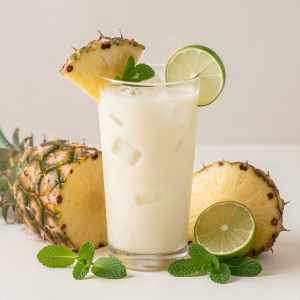
Pineapple Coconut Lime Juice
A light, naturally sweet juice built around coconut water, so you get proper hydration with your fruit. Pineapple carries the flavour, lime sharpens it, and it drinks better than any sports bottle I've tried.
Equipment
- 1 Juicer masticating or centrifugal
- 1 High-speed blender for the blender method
- 1 Nut milk bag or fine-mesh sieve to strain the blender version
- 2 Airtight glass bottles for storing
- 1 Budget cold press juicer a great value alternative
- 1 Budget blender a great value alternative
Ingredients
- 3 cups coconut water, chilled
- 2 cups pineapple chunks, fresh or frozen
- 1 lime, peeled
- 6-8 fresh mint leaves
Instructions
Juicer method
- Wash the pineapple, lime and mint. Cut the pineapple into chunks and peel the lime.
- Run the pineapple and lime through your juicer.
- Pour the coconut water into a jug and stir in the fresh juice.
- Bruise the mint leaves between your fingers and drop them in. Serve over ice, or leave it in the fridge for 20 minutes so the mint comes through.
Blender method
- Add the coconut water, pineapple chunks, peeled lime and mint to a high-speed blender.
- Blend on high for 45 seconds, until completely smooth.
- Strain through a nut milk bag or fine-mesh sieve, pressing to get every drop.
- Serve over ice.
Notes
Frozen pineapple works just as well and makes the juice properly cold. If you're using frozen, blend rather than juice it.
Coconut water brands vary in sweetness. If yours is very sweet, swap in half plain water and taste before adding more.
This is best drunk fresh, but it keeps in airtight glass bottles in the fridge for up to 24 hours. Give it a shake before serving.
Nutrition figures are an estimate per glass and will vary with your exact ingredients.
Nutrition
Serving: 1glassCalories: 140kcalCarbohydrates: 34gProtein: 1gSodium: 90mgPotassium: 950mgFiber: 3gSugar: 28gVitamin C: 95mg
Tried this recipe?Let us know how it was!
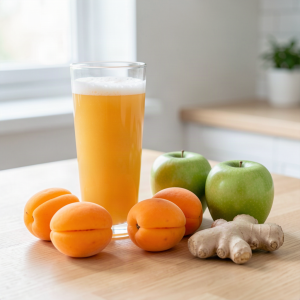
Apricot, Apple and Ginger Juice
Apricots are one of those fruits most people only ever meet dried, which is a shame. Fresh ones press into a thick, golden glass that tastes properly fruity, with the apple adding crispness and the ginger a slow warmth at the back of the throat. This is the juice I make when the mid-afternoon slump lands and I want something with a bit of body that is not another coffee.
Equipment
- 1 Juicer masticating or centrifugal
- 1 High-speed blender for the blender method
- 1 Nut milk bag or fine-mesh sieve to strain the blender version
- 2 Airtight glass bottles for storing
- 1 Budget cold press juicer a great value alternative
- 1 Budget blender a great value alternative for the blender method
Ingredients
- 8 ripe apricots about 320g. Ripe but not squidgy; halve and remove the stones, no need to peel
- 2 sweet apples about 300g, quartered. Gala or Jazz work well
- 25 g fresh ginger peeled, or scrubbed well if the skin is clean
Instructions
Juicer method
- Halve the apricots and pop out the stones. Quarter the apples and peel the ginger.
- Feed the apricot halves through the juicer first, then push the apple wedges through behind them. The apple clears the soft apricot pulp off the auger, so alternate rather than dumping it all in at once. Finish with the ginger.
- Stir the juice well, pour into two glasses and drink within the hour. Apricot juice separates quickly, so give it a stir if it has been sitting for a bit.
Blender method
- Stone the apricots, quarter the apples and roughly chop the ginger. Put everything in a high-speed blender with 100ml of cold water.
- Blend on high for 45 to 60 seconds until completely smooth.
- Strain through a nut milk bag or a fine-mesh sieve, squeezing the cloth to get every last drop. Pour into two glasses and serve over ice if you like it cold.
Notes
Fresh apricot and apple juice darkens as it sits, so it is genuinely at its best in the first hour. It will keep for up to 24 hours in an airtight bottle in the fridge; shake well before pouring. If your apricots are under-ripe and tart, swap in a sweeter apple. A squeeze of lemon stops the colour dulling if you are making it ahead, at the cost of a slightly sharper taste.
Nutrition
Serving: 1glassCalories: 145kcalCarbohydrates: 35gProtein: 1gSodium: 10mgPotassium: 470mgFiber: 1gSugar: 27gVitamin A: 450IUVitamin C: 15mg
Tried this recipe?Let us know how it was!
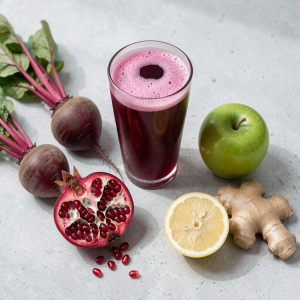
Beetroot and Pomegranate Juice
Beetroot carries this juice and pomegranate keeps it drinkable. Deep ruby, earthy at the front, sharp at the finish, and a good one to have an hour before you go out. Two glasses, ten minutes.
Equipment
- 1 Juicer masticating or centrifugal
- 1 High-speed blender for the blender method
- 1 Nut milk bag or fine-mesh sieve to strain the blender version
- 2 Airtight glass bottles for storing
- 1 Budget cold press juicer a good value alternative
- 1 Budget blender a good value alternative
Ingredients
- 2 beetroot, scrubbed and chopped medium, about 280g, topped and tailed
- 1 pomegranates, arils only large, about 180g of arils
- 1 green apples, cored and quartered about 150g
- 1 lemon, peeled white pith removed
- 15 g fresh ginger, peeled about a thumb sized piece
Instructions
Juicer method
- Scrub the beetroot, top and tail it, and cut it into wedges that fit your feed chute. Leave the skin on. A lot of the nitrate in beetroot sits in the layer just under it.
- Cut the pomegranate in half and knock the arils out into a bowl. Pick out any bits of white membrane, because they taste bitter. If you do it in a bowl of water the pith floats and the arils sink, which saves time.
- Feed the ginger and lemon through first, then the beetroot, then the apple, then the pomegranate arils. Beetroot is dense and juicing it slowly, so following it with the wetter fruit keeps the pulp moving through the mesh.
- Stir it, then drink it cold. Any spare keeps in a sealed bottle in the fridge for up to two days, though it is better on day one.
Blender method
- Peel the beetroot for this one and cut it into rough chunks, then core and chop the apple. A blender will not break the beetroot skin down the way a juicer will.
- Put the beetroot, apple, pomegranate arils, peeled lemon and ginger into the blender with 100ml of cold water.
- Blend on high for a full minute. Beetroot is fibrous, so give it the full minute rather than thirty seconds and hoping.
- Pour it through a nut milk bag or a fine sieve over a jug, squeeze the pulp hard to get the last of the juice out, then bin the pulp. Chill for half an hour before you drink it.
Notes
Scrub the beetroot rather than peeling it for the juicer method. Most of the nitrate sits just under the skin and a peeler takes some of it off. If your pomegranate is on the sour side, leave the lemon out, and if it is very sweet, use the whole thing. Beetroot stains a wooden board, so use a plastic one, and get the juice off your worktop before it dries.
Nutrition
Serving: 1glassCalories: 180kcalCarbohydrates: 42gProtein: 4gFat: 1gSodium: 110mgPotassium: 780mgFiber: 3gSugar: 30gVitamin A: 85IUVitamin C: 27mg
Tried this recipe?Let us know how it was!
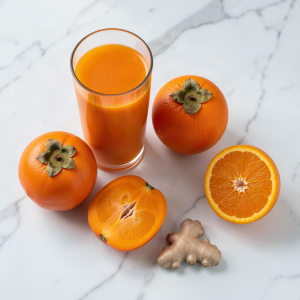
Persimmon and Orange Juice
Persimmons turn up in the shops from late September and they are the one autumn fruit I will happily pay silly money for. They are sweet enough on their own, so there is nothing to add here beyond orange for a bit of sharpness, ginger for warmth and a squeeze of lemon. The important thing is waiting until they are properly soft. A firm persimmon tastes of not very much, and an unripe Hachiya will dry your mouth out for an hour. Three persimmons and two oranges give you three small glasses in about ten minutes, and there is nothing to cook.
Equipment
- 1 Juicer masticating or centrifugal
- 1 High-speed blender for the blender method
- 1 Nut milk bag or fine-mesh sieve to strain the blender version
- 3 Airtight glass bottles for storing any you do not drink straight away
- 1 Budget cold press juicer a great value alternative
- 1 Budget blender a great value alternative
Ingredients
Juice base
- 3 ripe Fuyu persimmons soft like a ripe tomato, calyx cut off. Fuyu are the flat, tomato-shaped ones and they are the safe choice. A Hachiya needs to be almost jellied or it will dry your mouth out
- 2 oranges peeled down to the flesh, pith removed
- 10 g fresh ginger peeled, more if you like the heat
- 0.5 lemon peeled, added at the end
Only for the blender method
- 100 ml cold water skip this if you are using a juicer
Instructions
Juicer method
- Cut the leafy calyx off the top of each persimmon and quarter them. Do not peel them for the juicer, the skin is thin and the rollers deal with it. Peel the oranges down to the flesh, slice the ginger about as thick as a pound coin and peel the lemon.
- Feed the persimmon through first, then the orange, then the ginger. Persimmon pulp is thick and slow, so push the orange through behind it to flush the last of it out of the machine. Squeeze the lemon into the jug at the end and stir it through.
- Pour into three small glasses and drink while it is cold. It settles into layers after ten minutes or so, so give it a stir if it has been standing.
Blender method
- Cut the calyx off the persimmons and quarter them, peel the oranges down to the flesh, peel the ginger and the lemon. Put all of it into the blender with 100ml of cold water.
- Blend on high for 45 to 60 seconds until you cannot see any pieces of flesh. The skin breaks down quickly, but the few hard seeds up near the stem take longer, so give it another 15 seconds if you can still spot them.
- Tip it through a nut milk bag or a fine sieve set over a jug. Persimmon pulp is thick and it will sit in the bag, so squeeze it properly or you will leave a third of the juice behind. Serve over ice if you want it colder.
Notes
Keeps for up to 24 hours in an airtight bottle in the fridge. It is a thick juice and it drops its solids to the bottom, so shake it before you pour.
Worth knowing before you make it a daily habit: this is a sweet drink, around 26g of sugar a glass. The sugars come with potassium and vitamin C, and one glass carries roughly the potassium of a banana, which is why I use it before a long walk rather than after. If you are on warfarin, keep your vitamin K steady day to day and mention any new daily juice at your next INR check. Persimmons are also high in fibre when you eat them whole, and most of that fibre ends up in the bin when you juice them, so this is a drink rather than a substitute for the fruit.
Nutrition
Serving: 1glassCalories: 143kcalCarbohydrates: 37gProtein: 2gSodium: 2mgPotassium: 390mgFiber: 1gSugar: 26gVitamin A: 2500IUVitamin C: 59mgCalcium: 47mg
Tried this recipe?Let us know how it was!
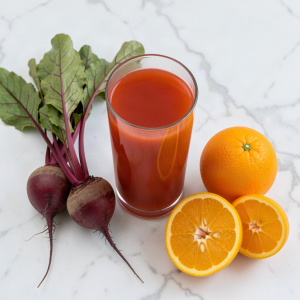
Beetroot and Orange Juice
Beetroot and orange is the pair I reach for when I need to get through a long afternoon. The beetroot gives it that deep red colour and an earthy sweetness, the oranges lift it into something you actually want to drink. Two ingredients, about five minutes, and you do not need an expensive juicer to make it.
Equipment
- Nut milk bag
Ingredients
- 2 medium beetroot, scrubbed, tops trimmed (about 300g)
- 2 large oranges, peeled and segmented
Instructions
Juicer method
- Scrub the beetroot under cold water and cut off the leafy tops and the thin root tail. Leave the skin on, most of the colour sits just under it. Cut each one into quarters so it fits your feed chute.
- Peel the oranges and pull the segments apart, taking off the thick white pith but keeping as much flesh as you can. A bit of pith left on is not a problem.
- Feed the beetroot and orange through the juicer, alternating between the two. Beetroot on its own is dense and slow, and the orange going in alongside keeps everything moving.
- Give the juice a stir, then pour it into two glasses. Drink it straight away, or seal it in the fridge and finish it within 24 hours.
Blender method
- Chop the scrubbed beetroot into rough cubes and peel and segment the oranges.
- Put both in the blender with 100ml of cold water and blitz for 45 to 60 seconds until it is completely smooth.
- Pour it through a nut milk bag or a fine sieve set over a jug, squeezing the pulp so you get all of the juice out. Serve it cold.
Notes
Beetroot juice separates as it sits, so stir the glass before you drink. If you want it colder, chill the beetroot and oranges in the fridge first rather than adding ice, which just waters it down. Two medium beetroot is roughly 300g, and you should end up with about 450ml of juice, which is two decent glasses.
Nutrition
Calories: 95kcalCarbohydrates: 22gProtein: 2gFat: 0.3gSaturated Fat: 0.1gPolyunsaturated Fat: 0.1gMonounsaturated Fat: 0.1gSodium: 100mgPotassium: 570mgFiber: 1.5gSugar: 16gVitamin A: 210IUVitamin C: 51mgCalcium: 54mgIron: 1mg
Tried this recipe?Let us know how it was!
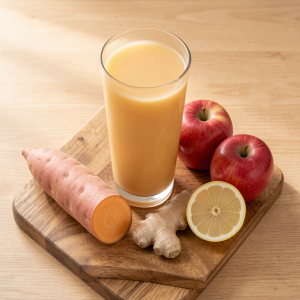
Sweet Potato, Apple and Ginger Juice
Sweet potato in a juice sounds unlikely until you try it. It comes out sweet and gently earthy, and the apple and ginger keep it from tasting like a root vegetable. This is the glass I make on mornings when I need something that actually holds me until lunch.
Equipment
- 1 Juicer masticating if you have one, it copes better with sweet potato
- 1 High-speed blender for the blender method
- 1 Nut milk bag
- 1 Budget cold press juicer a cheaper slow juicer handles this one fine
- 1 Budget blender works if you strain it well
Ingredients
- 1 medium sweet potato about 250g, scrubbed, ends trimmed
- 2 red apples cored and cut into wedges
- 2 cm fresh ginger peeled
- ½ lemon peeled
- 250 ml cold water blender method only
Instructions
Juicer method
- Scrub the sweet potato rather than peeling it. Most of what you want sits right under the skin, so give it a good wash under cold water, trim the ends and cut it into chunks that fit your feed chute.
- Core the apples and cut them into wedges. Peel the ginger and the lemon.
- Feed the sweet potato through first, then alternate the rest of it with apple wedges. The apple keeps the pulp moving and stops the starch clogging the basket.
- Push the ginger and the lemon through last. Stir the juice properly before you pour, because sweet potato settles within a minute or two.
- Pour over ice and drink it straight away.
Blender method
- Peel the sweet potato and cut it into rough 2cm cubes. Peeling matters here, because the skin turns gritty once it is blended.
- Core and roughly chop the apples. Peel the ginger and the lemon.
- Blend everything with the 250ml of cold water for a full minute, until there are no lumps left at all.
- Pour it through a nut milk bag or a fine sieve set over a jug and let it drain. Press the pulp gently with the back of a spoon, but do not squeeze hard or starch comes through.
- Chill it for ten minutes, stir and serve.
Notes
Sweet potato is starchy, and that changes how you handle it. In a juicer, feed it through in chunks alternated with apple wedges so the pulp keeps moving and the starch does not gum up the basket. If your juicer has a small pulp container, empty it halfway.
Blending is honestly the better method here. You get a smoother drink and you can strain it to whatever thickness you like. Do not press the pulp too hard through the bag, or you push starch through and end up with something gritty.
It separates quickly, so stir it before you drink it and finish it within fifteen minutes. You do not need to sweeten it. Two apples is plenty.
Nutrition
Calories: 165kcalCarbohydrates: 37gProtein: 1.8gFat: 0.3gSaturated Fat: 0.1gPolyunsaturated Fat: 0.1gMonounsaturated Fat: 0.1gSodium: 30mgPotassium: 560mgFiber: 1.2gSugar: 16gVitamin A: 15000IUVitamin C: 13mgCalcium: 40mgIron: 0.6mg
Tried this recipe?Let us know how it was!
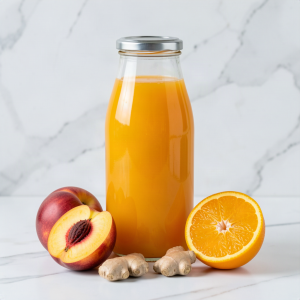
Nectarine, Orange and Ginger Juice
Nectarines are the fruit I buy when the peaches look tired. They juice into something soft and sweet with almost none of the bitterness you get from green fruit, and the orange keeps it from tasting flat. The ginger is a small piece on purpose, because nectarine and ginger fight each other if you push it. Two glasses, about ten minutes, and it tastes like a ripe stone fruit in a glass rather than a health drink.
Equipment
- Nut milk bag
Ingredients
- 3 ripe nectarines roughly 400 g, halved and stoned
- 2 oranges roughly 300 g, peeled, with as much of the white pith taken off as you can
- 1 small thumb fresh ginger roughly 15 g, peeled
- 1 handful ice cubes optional, to serve
Instructions
Juicer method
- Halve the nectarines and twist out the stones, then cut each half so it fits your juicer's feed tube. Leave the skin on. It is soft, it goes through fine, and it is where most of the colour and the antioxidants sit.
- Peel the oranges and take off as much of the white pith as you can, because the pith is what turns a sweet citrus juice bitter. Peel the ginger too.
- Feed the ginger through first, then alternate the nectarine halves and the orange segments. Putting the ginger in first means nothing else gets stuck behind it.
- Stir the juice once, pour it into two glasses over ice if you want it cold, and drink it within about fifteen minutes while the vitamin C is at its best.
Blender method
- Stone the nectarines and peel the oranges, then cut both into chunks and put them in the blender with the peeled ginger and about 100 ml cold water.
- Blend on high for about forty five seconds, until there are no lumps of fruit left.
- Pour it through a nut milk bag or a fine sieve set over a jug, then squeeze the bag to get the last of the juice out. What stays behind in the bag is the fibre, which is exactly why this version tastes thinner and cleaner than a smoothie would.
- Serve straight away, over ice if you like it cold, and give the glasses a stir before drinking because the juice settles.
Notes
Nectarines are a fruit, not a supplement, so let me be straight about what this glass does. The lift comes from the fluid, the natural sugars and about 700 mg of potassium, which is a mineral you lose in sweat and which your muscles and nerves use. A potassium-rich diet is also linked to lower blood pressure. That makes this a sensible drink an hour before a training session, or at the point in the afternoon where you would otherwise reach for a second coffee.
What it will not do is fix tiredness that has a real cause behind it. Not enough sleep, low iron, an underactive thyroid, or simply not eating enough all feel like the same flat fatigue, and none of them are solved by juice. Get those looked at rather than drinking more of this.
There is about 30 g of sugar in a glass, all of it from the fruit, which is roughly what you get in a glass of orange juice. Fruit sugar still counts as sugar, particularly if you are watching your blood sugar or your teeth, so this is a once-a-day glass rather than a sipping-all-afternoon one.
Keep it cold and drink it fresh. If you make it ahead, an airtight bottle in the fridge holds it for about 24 hours before the flavour drops off and the top starts to brown, and it needs a shake before you pour because the heavier sediment settles.
Nutrition
Calories: 164kcalCarbohydrates: 40gProtein: 3gFat: 0.9gSaturated Fat: 0.1gPolyunsaturated Fat: 0.3gMonounsaturated Fat: 0.3gSodium: 1mgPotassium: 705mgFiber: 1gSugar: 30gVitamin A: 1000IUVitamin C: 91mgCalcium: 73mgIron: 0.8mg
Tried this recipe?Let us know how it was!
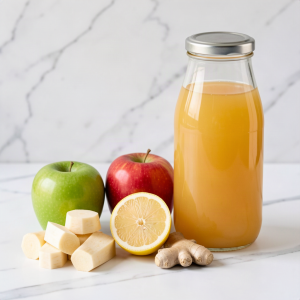
Parsnip, Apple and Ginger Juice
I only ever roasted parsnips until I wondered what they would do in the juicer, and it turns out they make one of the sweetest glasses on the site. Parsnips are a starchy root and after the first frosts that starch turns to sugar, so a winter parsnip tastes like a completely different vegetable to a summer one. That sweetness means this needs nothing added, no honey and no syrup, just two apples, a thumb of ginger for warmth and a lemon to stop it sliding into pudding. It pours a pale gold and it is far lighter than you would guess from a root vegetable.
Equipment
- Nut milk bag
Ingredients
For the juice
- 2 large parsnips about 250 g, topped, tailed and peeled, leafy greens binned not juiced
- 2 sweet apples such as Gala or Braeburn, about 300 g, cored and quartered, skin left on
- 2 cm fresh ginger peeled
- 1 unwaxed lemon peeled, or leave it out if your apples are sharp
Instructions
Juicer method
- Top and tail the parsnips and peel them. Cut the leafy greens off first and bin them rather than putting them through the juicer. Cut the peeled roots into chunks that will fit your juicer's feed chute.
- Wash the apples and cut them into quarters, core and all, leaving the skin on. Peel the ginger. Peel the lemon if your juicer struggles with citrus peel, or leave the pith on if it copes.
- Feed the parsnip and apple through the juicer in alternating pieces so the drier root gets carried through by the juicy apple instead of sitting on the screen. Add the ginger and the lemon with the last of the fruit.
- Stir the juice and pour it straight into a glass or a sealed bottle. It is best drunk the same day, and it will separate as it stands, so give it a stir before you drink it.
Blender method
- Peel the parsnips and cut them into rough 2 cm chunks. Core and quarter the apples, peel the ginger and peel the lemon.
- Put everything into the blender with about 150 ml of cold water and blend on high for a full minute, until there are no lumps of parsnip left at all.
- Tip the mixture into a nut milk bag or a fine sieve set over a jug and squeeze the pulp hard. Parsnip holds on to a lot of liquid, so keep going until the pulp is dry.
- Serve over ice, or chill it in a sealed bottle and drink it within a day.
Notes
Parsnip juice is naturally sweet, so taste it before you add anything else, and if your apples are sharp leave the lemon out entirely. Peeling the roots properly is what keeps the glass from tasting muddy, because the earthy bitterness lives in the skin.
Nutrition
Calories: 181kcalCarbohydrates: 45gProtein: 2gFat: 0.6gSaturated Fat: 0.1gPolyunsaturated Fat: 0.2gMonounsaturated Fat: 0.1gSodium: 14mgPotassium: 670mgFiber: 1gSugar: 22gVitamin A: 20IUVitamin C: 39mgCalcium: 54mgIron: 0.9mg
Tried this recipe?Let us know how it was!
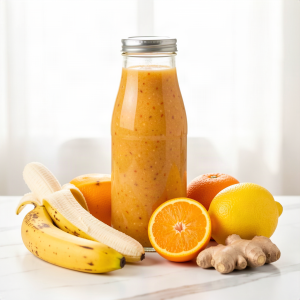
Banana Juice for Energy: Orange and Ginger
The one drink here that cannot be made in a juicer, because a banana turns to puree instead of juice. Two ripe bananas whizzed into fresh orange juice with a little ginger and lemon give a thick, cloudy apricot-coloured glass that keeps its fibre and lands around 730 mg of potassium, which is the honest reason it works before a long walk.
Ingredients
For the juice
- 2 ripe bananas peeled (about 240 g)
- 2 large oranges peeled (about 300 g of flesh)
- 1 small piece fresh ginger about 10 g, peeled
- 1/2 unwaxed lemon juiced
Instructions
Blender method (use this one)
- Peel the bananas and the oranges. Pull the thick white pith off the oranges but keep as much of the soft flesh as you can.
- Put the bananas, the orange segments, the ginger and the juice of the half lemon into a blender with 100 ml of cold water.
- Blend on high for 45 to 60 seconds until it is completely smooth and there are no lumps of banana left.
- Pour straight into two glasses. Do not strain it, the fibre is part of the point here.
- Drink it within about 15 minutes while it is cold and thick. It will separate if it stands, so give it a stir before you drink.
Juicer method (juice the oranges, blend the banana)
- Run the oranges, the ginger and the lemon through the juicer. A juicer will not take a banana, it clogs the basket and turns it to puree, so keep the bananas well away from the machine.
- Peel the bananas and blend them with the orange juice for 30 to 45 seconds until smooth.
- Pour into two glasses and drink straight away. This version is thinner and you lose most of the orange fibre, so it is the fallback rather than the first choice.
Notes
This is a genuinely potassium-rich drink, roughly 730 mg a glass. If you have kidney disease, or you take an ACE inhibitor, an ARB or a potassium-sparing diuretic, ask your GP or pharmacist before you make a habit of it.
Use speckled ripe bananas for the sweetest glass, or greener ones if you want less sugar.
Nutrition
Calories: 183kcalCarbohydrates: 46gProtein: 3gFat: 0.5gSaturated Fat: 0.1gSodium: 2mgPotassium: 730mgFiber: 7gSugar: 29gVitamin A: 415IUVitamin C: 93mgCalcium: 67mgIron: 0.5mg
Tried this recipe?Let us know how it was!
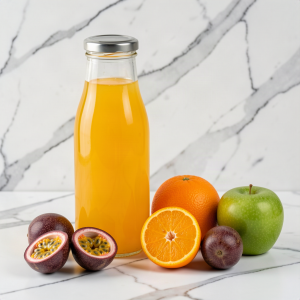
Passion Fruit Juice for Energy: Orange and Apple
Passion fruit is the one fruit that tastes like it belongs in a cocktail but still works in a juice. Scoop out the pulp, sieve the hard black seeds away, then press it into fresh orange and apple juice and you get a bright golden glass carrying around 565 mg of potassium, a gram of iron and the vitamin C that helps you absorb it. It is the sharp, fragrant end of the energy list rather than the sweet one.
Equipment
- Nut milk bag
Ingredients
For the juice
- 6 ripe passion fruit about 90 g of pulp
- 2 large oranges peeled (about 300 g of flesh)
- 1 large sweet apple cored (about 200 g)
Instructions
Juicer method
- Halve the passion fruit and scoop the pulp into a small bowl with a spoon. Press it through a fine sieve, or squeeze it in a nut milk bag, into a jug so you keep the golden juice and leave the hard black seeds behind. The seeds are edible but tough, and a juicer will not thank you for pushing them through.
- Peel the oranges and pull off the thick white pith, keeping as much of the soft flesh as you can. Run the orange segments and the cored apple through the juicer.
- Stir the strained passion fruit juice into the orange and apple juice and give it a quick taste.
- Pour into two glasses, or two bottles if you are taking it out, and drink it cold and fresh.
Blender method
- Scoop the passion fruit pulp into the blender with 100 ml of cold water and blitz for about 20 seconds, just long enough to loosen the pulp off the seeds. Do not blitz hard or long, or you will shred the seeds and the juice turns bitter.
- Strain that through a fine sieve or a nut milk bag into a jug, then rinse the blender out.
- Roughly chop the peeled oranges and the cored apple, blend them with another 100 ml of cold water until smooth, then strain through the same sieve or bag.
- Stir the two juices together, taste, and pour into two glasses. Drink it cold.
Notes
Passion fruit juice is naturally a little cloudy, because the fruit is high in pectin. That is the fruit, not a mistake, so do not worry if your glass is not as clear as orange juice.
Be honest about what this is: a nudge, not a fix. If you are persistently tired, ask your GP for a blood test rather than drinking more juice, because iron deficiency anaemia, an underactive thyroid, poor sleep and not eating enough all cause tiredness and none of them are fixed by a glass of fruit.
The calming passionflower herb sold for sleep and anxiety is a different part of a different plant from the fruit you juice here, so do not treat this glass as a sedative.
Nutrition
Calories: 175kcalCarbohydrates: 44gProtein: 3gFat: 0.9gSaturated Fat: 0.1gSodium: 3mgPotassium: 565mgFiber: 1gSugar: 30gVitamin A: 1000IUVitamin C: 100mgCalcium: 73mgIron: 1.1mg
Tried this recipe?Let us know how it was!
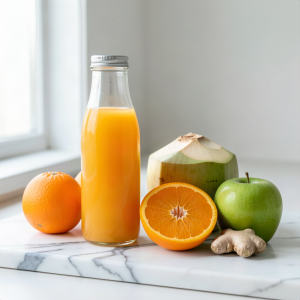
Coconut Water, Orange, Apple and Ginger Juice
Coconut water is the one drink in the juicing world with proper rehydration research behind it, so this glass leads with it and lets the orange, apple and ginger do the flavouring. It comes out clear and golden, with about 875 mg of potassium and 210 mg of sodium a glass, which is why it earns its place around a walk or a session at the gym. It is thin and genuinely drinkable rather than syrupy, and it is worth reading the label on the carton before you start.
Equipment
- Nut milk bag
Ingredients
For the juice
- 400 ml fresh coconut water from one young green coconut, or a carton that lists coconut water and nothing else
- 2 large oranges peeled (about 300 g of flesh)
- 1 sweet apple cored (about 150 g)
- 1 fresh ginger a small piece, peeled (about 10 g)
Instructions
Juicer method
- Open the coconut and pour the water straight into a jug. If you are using a carton instead, read the label first and make sure it is coconut water and nothing else.
- Run the peeled oranges, the apple and the ginger through the juicer. The oranges give you all the volume here, so there is no need to push them through slowly.
- Pour the fresh juice into the coconut water and stir it together. Taste it. If it wants a little more edge, a squeeze of lime or a touch more ginger is the honest way to get it rather than adding sugar.
- Chill it properly before you drink it. Pour it over ice if you are short of time, though ice will water it down a little.
- Pour into two glasses and drink it the same day. It separates as it stands, so give it a stir before the second glass.
Blender method
- Peel the oranges, core and chop the apple, and peel the ginger. Blend them with about 100 ml of the coconut water for around 30 seconds, until the fruit has broken down.
- Tip the blend into a nut milk bag or a fine sieve set over a jug and press it through, then stir that juice into the rest of the coconut water.
- Taste it and adjust with a little more ginger if you like it warmer. Serve it cold.
Notes
Check the carton before you buy it. Most of the coconut water sold in UK shops is made from concentrate and sweetened, and some of it is flavoured or toasted. The label should say coconut water and nothing else, no added sugar, no concentrate, no sweetener. Fresh water out of a young green coconut is better still, but it starts to ferment within a few hours of opening, so drink it the same day.
The rehydration point is a real one rather than a marketing line. In a controlled trial in exercise-trained men, coconut water rehydrated as well as a carbohydrate-electrolyte sports drink and better than plain water, though the coconut water group reported more bloating (Kalman et al., 2012, Journal of the International Society of Sports Nutrition 9:1). The honest limit is the sodium. Coconut water carries roughly 105 mg of sodium per 100 ml against 200 to 400 mg in a typical sports drink, and sodium is the electrolyte you lose most of in sweat, so this glass is plenty for a walk, a bike ride or an hour in the gym, and it is not enough to carry you through a long or very heavy session.
About 875 mg of potassium a glass is a genuinely high load for a drink. If you have kidney disease, or you take an ACE inhibitor, an ARB or a potassium-sparing diuretic such as spironolactone, speak to your GP or pharmacist before you make this a daily habit.
It is not a detox and it does not change the pH of your blood. Your liver and kidneys do the filtering and no glass speeds them up. The vitamin C here comes from the orange and the apple rather than the coconut water, which carries very little.
There is about 26 g of fruit sugar in a glass, and straining leaves most of the apple fibre behind in the bag, so treat it as a drink for a warm day or around exercise rather than a low calorie one.
Nutrition
Calories: 152kcalCarbohydrates: 36gProtein: 3gFat: 0.5gSaturated Fat: 0.1gSodium: 210mgPotassium: 875mgFiber: 1gSugar: 26gVitamin A: 300IUVitamin C: 88mgCalcium: 113mgIron: 0.3mg
Tried this recipe?Let us know how it was!
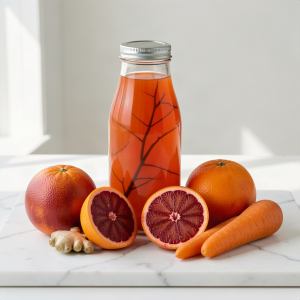
Blood Orange, Carrot and Ginger Juice
Blood oranges are only properly in the shops for about eight weeks, and they are the one winter fruit I will pay over the odds for. The flesh is a deep ruby red, sweeter and less sharp than a normal orange, so it does not need anything added beyond carrot for body and a knob of ginger to stop the whole glass tasting like a dessert. Three oranges and two carrots give you two decent glasses in ten minutes. Peel the oranges properly, pith and all, or the juice turns bitter.
Equipment
- 1 Juicer
- 1 Nut milk bag
Ingredients
Juice base
- 3 blood oranges about 400 g, peeled and all the white pith removed
- 2 carrots medium, about 180 g, trimmed
- 2 cm fresh ginger or more to taste
- ice to serve
Only for the blender method
- 60 ml cold water
Instructions
Juicer method
- Peel the blood oranges and pull away every bit of the white pith. Leave the pith on and the glass turns bitter, which is the one mistake worth avoiding here.
- Put the carrots and the ginger through the juicer first. Carrots are firm enough to clear the chute, and the ginger travels through much better with something wet following it.
- Follow with the orange segments, a few at a time, then let the machine run for a few seconds to empty itself.
- Stir the juice, taste it, and grate in a little more ginger if you want more heat. Pour over ice and drink it straight away.
Blender method
- Peel the oranges and cut the carrots into rough 2 cm pieces. Roughly chop the ginger, no need to peel it.
- Put everything in the blender with 60 ml of cold water and blend for about 45 seconds, until there is no gritty carrot left.
- Tip it into a nut milk bag or a fine sieve over a jug and press it hard. Carrot hangs on to a surprising amount of liquid, so squeeze it properly or you lose half the glass.
- Serve over ice.
Notes
Blood oranges vary a lot by variety. A Moro is the deepest red and quite sharp, a Tarocco is paler and sweeter. Taste the juice before you pour it and push the ginger up if yours came out sweet.
Nutrition
Calories: 141kcalCarbohydrates: 33gProtein: 3gFat: 0.5gSaturated Fat: 0.1gSodium: 62mgPotassium: 669mgFiber: 1gSugar: 22gVitamin A: 15500IUVitamin C: 111mgCalcium: 110mgIron: 0.5mg
Tried this recipe?Let us know how it was!

Date, Apple and Ginger Juice
Dates are the one fruit that makes a juice taste sweet without adding sugar, and they bring a caramel note that sits well with apple and ginger. This is a thick, golden glass rather than a thin green one, and it is built for the point in the day when you actually need the calories.
Equipment
- 1 Juicer any masticating juicer handles apple and ginger easily
- 1 Budget cold press juicer the cheaper option, feed the ginger in with an apple quarter so it does not bounce
- 1 High-speed blender for turning the soaked dates into a smooth paste
- 1 Budget blender works fine here, just blend the dates for longer
- 1 Nut milk bag for straining the date pulp if you want a clear juice
- 1 Airtight glass bottles keeps for two days in the fridge, shake before pouring
Ingredients
For the juice
- 3 Medjool dates about 70 g, stoned and roughly chopped. The soft large ones, not the dry chopped dates sold for baking
- 2 crisp sweet apples about 300 g, skin on, quartered and cored
- 1 small knob fresh ginger about 15 g, scrubbed rather than peeled
- ½ unwaxed lemon peel left on
- 200 ml water 150 ml just boiled for soaking the dates, the rest cold for the blender method
Instructions
Juicer method
- Stone the dates and chop them roughly, then cover them with 150 ml of just-boiled water and leave them for 15 minutes. They need to be soft enough to squash between your fingers. Keep the soaking water, it goes into the glass with them.
- While they soak, put the apples, ginger and lemon through the juicer. Start with an apple because it wets the basket and carries the ginger through with it.
- Tip the dates and their soaking water into a blender and blitz for 30 to 45 seconds, until you have a smooth dark paste with no lumps of skin left in it.
- Stir the date paste into the juice. For a clear glass rather than a cloudy one, pour the whole thing through a fine sieve or a nut milk bag and press the pulp with the back of a spoon, then bin what stays in the bag.
- Taste it and squeeze in a little more lemon if it is sweeter than you want. Drink it straight away, or bottle it and keep it in the fridge for up to two days, shaking before you pour.
Blender method
- Chop the apples, roughly chop the ginger and cut the lemon half into quarters, peel and all.
- Put the soaked dates and their water in the blender with the apples, ginger and lemon, add another 100 ml of cold water and blend on high for a full minute.
- Pour it through a nut milk bag or a fine sieve set over a jug, squeezing the pulp to get everything out, then bin the pulp.
- Chill it and drink it the same day. It settles as it stands, so give the bottle a shake before you pour.
Notes
You cannot juice a date. It is a dried fruit with very little water left in it, so the blades just turn it to paste and the pulp clogs the basket. Real date juice is made by soaking the fruit and pressing it, which is what this recipe does, and that is why the dates go through the blender with their soaking water rather than through the juicer.
Be clear about what this is: three dates and two apples come to roughly 37 g of sugar a glass, a little more than a 330 ml can of Coke. That is the whole point of it before a run or a long walk, and it is the reason it is not an everyday drink. Do not soak the dates in the sugary water and then tip it away, half the goodness is in it.
Dates are high in potassium, about 440 mg a glass, so if you have kidney disease or you take an ACE inhibitor, an ARB or a potassium-sparing diuretic, have a word with your GP or pharmacist before you make this a habit.
Dates are sticky and the lemon is acidic, so rinse your mouth with water afterwards and leave brushing for half an hour rather than scrubbing the enamel straight away.
Nutrition
Calories: 180kcalCarbohydrates: 44gProtein: 1gFat: 0.3gSaturated Fat: 0.1gSodium: 8mgPotassium: 440mgFiber: 1gSugar: 37gVitamin A: 20IUVitamin C: 13mgCalcium: 30mgIron: 0.6mg
Tried this recipe?Let us know how it was!
Earthy but in a good way. I feel great after this.
The orange balances the beetroot nicely.
Great start to the morning, no coffee crash.
Sweet and warming. Easy to make too.