
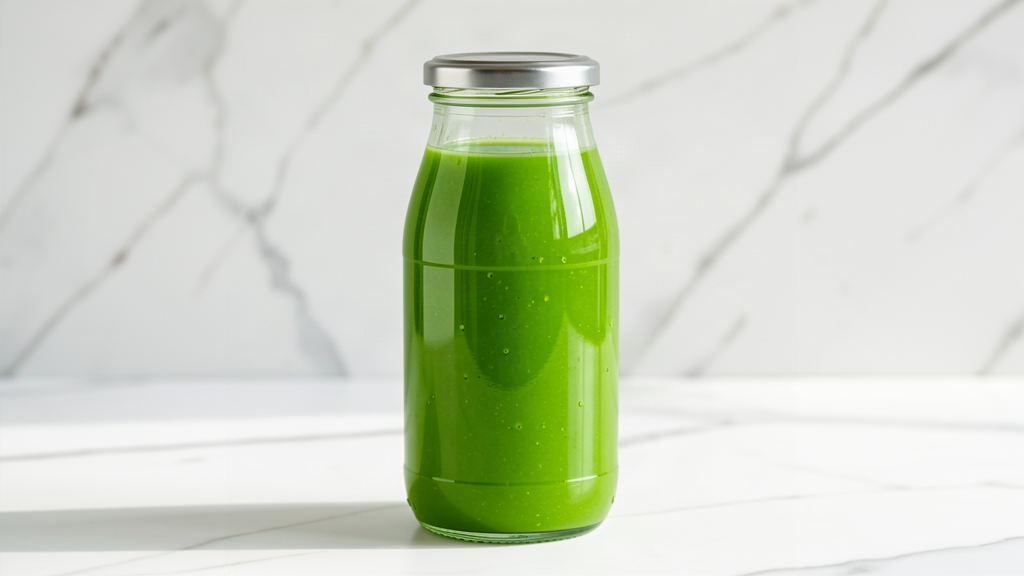
Cold pressed juice is made by crushing produce slowly and squeezing it, rather than shredding it on a fast spinning blade. You get a cleaner tasting juice that keeps a little more of the delicate vitamins. The catch is that the gap between cold pressed and ordinary juicing is much smaller than the price tag suggests.
What cold pressed actually means
A centrifugal juicer spins a blade thousands of times a minute and flings the juice out through a mesh. It is quick, it is cheap, and it whips a lot of air into the glass. A cold press juicer goes the other way. It crushes the fruit or vegetables into a pulp first, then presses that pulp under a hydraulic plate. No heat, no fast blade, very little air. Slower, but gentler.
That is the whole difference. Same produce, different method.
Does it really keep more nutrients?
There is proper research on this. Khaksar and colleagues published a comparison in 2019 looking at how much of the bioactive compounds survived each method, and cold pressing came out ahead on several of the ones they measured. Other groups have found the same pattern, which makes sense. Heat and oxygen are the two things that break vitamins down, and cold pressing exposes the juice to less of both.
Keep it in proportion though. It is a modest edge, not a doubling. The bigger factor is what you do with the juice afterwards. A bottle that has sat in a warm car for three hours is worse than something pressed that morning on any machine, so time and storage matter more than the press itself. See how long fresh juice actually lasts.
Where the real benefits are
It tastes cleaner
Less air whipped in means less foam and a brighter flavour. If you have ever poured a centrifugal juice and had to spoon the froth off the top, you will notice the difference straight away. Green juices in particular taste sweeter and less grassy when they are pressed.
You get more juice from the same produce
A press squeezes harder than a spinning basket, so more of the liquid comes out of the pulp. That means more juice per bag of carrots or bunch of celery, and if you juice most mornings that extra yield pays back some of the higher price of the machine. The budget cold press juicers around now cost less than a decent centrifugal did a few years ago, so the maths has changed.
It keeps a bit longer
Because there is less air in it, cold pressed juice oxidises more slowly. It will still fade in the fridge and it never keeps as long as you would like, but it tends to hold on a day or two longer than a fast spun juice.
What cold pressing does not do
It does not put fibre back in. This is the one thing worth being straight about. Juicing separates the liquid from the pulp, and the fibre goes with the pulp on every machine, cold pressed included. That is why the NHS counts a small glass of juice as only one of your five a day, however much fruit went into it. Your juice and smoothie total should stay at or under 150ml a day, because the sugars in juice are free sugars and they are not kind to teeth. We go through that properly in does juice count as 5 a day.
It also does not detox anything. Your liver and kidneys already handle that and no juice speeds them up, which is the honest answer to whether juice cleanses work.
So is a cold press juicer worth it?
Depends how you juice. If you make a juice once or twice a week, a normal juicer is fine and the money is better spent on produce. If you juice most days, hate foam, and want the bottles to last a bit longer in the fridge, cold pressing earns its place. Stick to the freezer bags of fruit or the cheap sacks of carrots and the cost per glass comes down a lot.
FAQ
Is cold pressed juice healthier than normal juice?
A little, mostly because it keeps slightly more of the vitamins and because it is usually drunk fresher. The difference is small next to eating the whole fruit, which gives you the fibre as well.
Do you lose nutrients with a normal juicer?
Some, but not enough to make a fresh juice worse than a bottled one. A juice you made ten minutes ago beats a cold pressed bottle from last week.
Can I drink cold pressed juice every day?
Yes, but keep it to a small glass. One 150ml portion a day counts towards your five a day, and that is the limit the NHS advises for juice and smoothies combined. Drink it with a meal rather than sipping all day, so your teeth get a break between sugar hits.
More honest guides while you are here: is juicing healthy and juicing vs smoothies. For something to actually make, try our celery, apple and ginger juice or the cucumber, apple and fennel juice, or browse the full detox and immunity collections.