
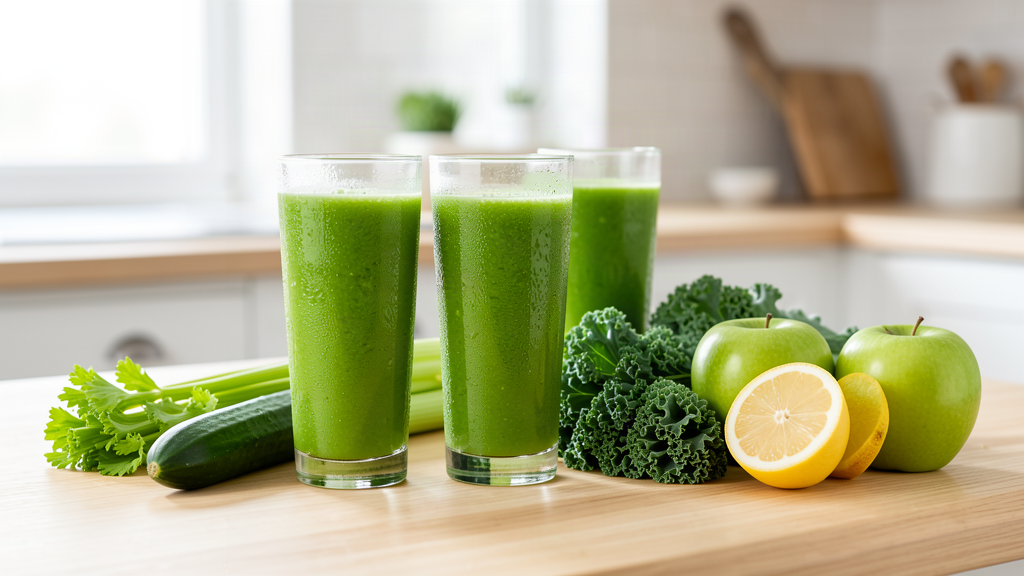
Do juice cleanses work? It depends what you want one to do. If you want to flush toxins out of your body, no. Your liver and kidneys already do that, and no cleanse improves on them. If you want a few days of drinking more vegetables and less junk, that part can genuinely help.
What a juice cleanse actually is
A juice cleanse is usually one to three days of drinking nothing but fruit and vegetable juice. Some plans allow water and herbal tea. The idea is that a break from solid food gives your gut a rest and your body a reset. The reality is more ordinary than the marketing, so it helps to look at each promise separately.
The detox claim, looked at honestly
Most cleanses sell themselves on detoxing. The pitch goes something like this: your body is full of toxins, and a few days of green juice will wash them out. There is no evidence for that. The NHS says detox diets do not remove anything your body cannot already handle, and very low-calorie versions can do more harm than good. Your liver and kidneys do the clearing out, and they do it whether you drink juice or not.
Will you lose weight on a juice cleanse?
A juice cleanse will probably move the scales. Most of that is water weight. When you suddenly eat very little, your body uses up its stored sugar and lets go of the water held with it. The moment you eat normally again, much of it comes back. That is why the results from cleanses tend not to last.
There is a bigger problem underneath. A day of juice alone is very low in protein and fat, and most of its calories come from sugar, even when the juice is mostly vegetables. Drink enough to feel full and you can take on a lot of sugar. Cut the portions right down and you are basically hungry for a day, and that hunger usually ends at the biscuit tin by tea time. Neither version teaches you anything about eating well next week.
Who should give cleanses a miss
Some people should not do a juice cleanse at all. If you are pregnant, diabetic, or on regular medication, check with your doctor first. Grapefruit juice interferes with several common medicines, and beetroot can affect blood pressure, so it matters what is in your juice. The same warning sits at the top of our 7-day juicing challenge page, and it is there for a reason.
What I would do instead
Here is my honest position, and it is the same one behind every recipe on this site. Juice is a way to drink more fruit and vegetables, not a way to eat fewer meals. A glass of fresh juice counts as one of your five a day, and the NHS says to keep it to about 150ml, because juicing leaves the fibre behind and concentrates the sugar.
If you want a reset week, you do not need to fast. The 7-day challenge gives you one juice a day for seven days, each with a different job, and you eat normally alongside it. It is gentler than a cleanse and it builds a habit you can actually keep.
For everyday drinking, go savoury. Recipes like our tomato celery juice keep the sugar down and taste more like food than dessert. If you want the full picture of where juice fits in a healthy day, start with my honest guide to whether juicing is healthy.
FAQ
Is a juice cleanse safe?
For a healthy adult, a day or two of juice is unlikely to cause lasting harm, but it is not neutral either. If you are pregnant, diabetic or on regular medication, ask your doctor before you start, and check whether grapefruit or beetroot is in the plan. If you feel dizzy or unwell at any point, stop and eat something normal.
Do you put the weight back on after a juice cleanse?
Usually, yes, at least the fast part of it. The quick loss is mostly water and stored sugar, and it returns when you eat normally again. Weight loss that lasts comes from small everyday changes, not from a few dramatic days.
How is the 7-day challenge different from a cleanse?
The challenge is not a fast, and it says so on the page. You eat normally and add one juice a day, each chosen for a specific job like digestion or energy. You get the good bits of drinking more produce without skipping meals, which is the version I can defend.
More on this: browse the detox collection for lighter, low-sugar recipes, or read how we research and write these articles.